
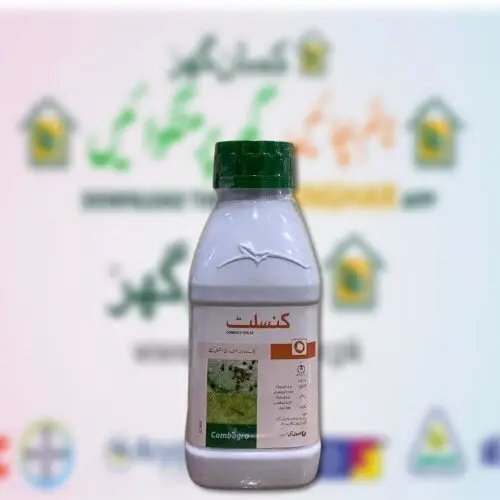
Description
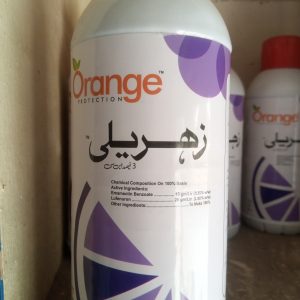
Consult 17SC
**Chlorfenapyr + Abamectin – Insecticide/Miticide Combination**
#### **1. Overview & Purpose**
– **Chlorfenapyr** (pyrrole class) disrupts mitochondrial energy production (pro-insecticide, activated inside pests).
– **Abamectin** (avermectin class) paralyzes pests by enhancing GABA and glutamate neurotransmission.
– **Combination Benefits**: Broad-spectrum control of **mites, thrips, whiteflies, leaf miners, and resistant pests** with dual modes of action, reducing resistance risk.
#### **2. Target Pests & Crops**
– **Primary Targets**: Spider mites, thrips, aphids, diamondback moth, beet armyworm, and resistant strains.
– **Common Crops**: Cotton, vegetables (tomatoes, peppers), fruits (citrus, grapes), and ornamentals.
– **Usage**: Foliar spray with good translaminar movement (penetrates leaves).
#### **3. Advantages & Limitations**
– **Pros**:
– Synergistic effect improves kill rate and longevity.
– Effective against pests resistant to neonicotinoids or pyrethroids.
– Low phytotoxicity when used as directed.
– **Cons**:
– **Toxic to aquatic life** (avoid water contamination).
– Harmful to predatory mites (disrupts IPM if overused).
– Requires proper PPE (moderate mammalian toxicity).
#### **4. Application & Resistance Management**
– **Dosage**: Follow label rates (e.g., 0.5–1.0 L/ha for formulated products).
– **Timing**: Apply at early pest infestation stages for best results.
– **Anti-Resistance Strategy**: Rotate with non-cross-resistant chemicals (e.g., spinosyns, IGRs).
Reviews
There are no reviews yet.