
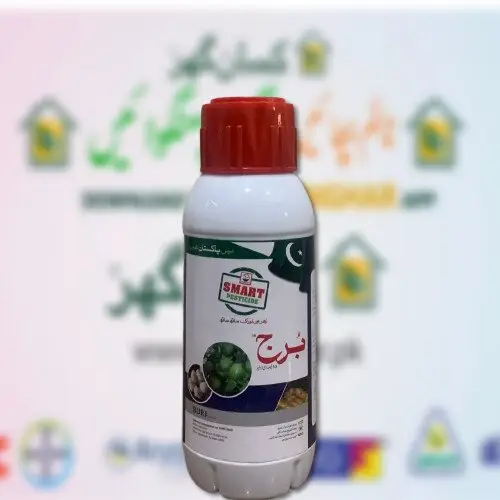
Description
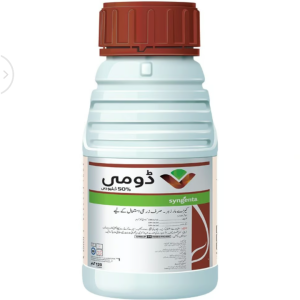
Burj 10 EW
**Bifenthrin (Insecticide/Miticide)
– Overview**
#### **1. Chemical Class & Mode of Action**
– **Type**: Synthetic pyrethroid (Type I – non-cyano group).
– **Mode of Action**:
– Disrupts sodium channels in nerve cells → paralysis & death.
– **Stomach + contact poison** (acts on ingestion or direct contact).
– **Repellent effect** at sub-lethal doses.
#### **2. Target Pests (Broad-Spectrum)**
– **Insects**: Aphids, thrips, whiteflies, caterpillars, beetles (e.g., Colorado potato beetle), ants, termites.
– **Mites**: Spider mites (moderate efficacy).
– **Public Health Pests**: Mosquitoes, ticks, cockroaches.
#### **3. Agricultural Uses**
– **Crops**: Cotton, corn, soybeans, fruits (e.g., apples, grapes), vegetables, cereals.
– **Application Methods**:
– **Foliar spray** (most common).
– **Soil treatment** (for termites, grubs).
– **Seed treatment** (limited use).
#### **4. Key Advantages**
– **Long residual activity** (weeks to months, especially on surfaces).
– **UV-stable** (more photostable than natural pyrethrins).
– **Low water solubility** → reduces leaching risk.
#### **5. Toxicity & Environmental Concerns**
– **Highly toxic to bees** (Do not apply during flowering).
– **Very toxic to fish & aquatic invertebrates** (restricted near water).
– **Moderately toxic to mammals** (EPA Toxicity Class II – “Warning”).
#### **6. Resistance Issues**
– **Common in**: Whiteflies, spider mites, some beetles.
– **IRAC Group**: 3A (pyrethroids) – rotate with MoA Groups 4, 5, or 28.
Reviews
There are no reviews yet.